

No, ordinary sand is not flammable. It is noncombustible because its main ingredient is already oxidized silicon dioxide, so the chemistry does not leave it a fuel to burn.
Table of Contents
- The Short Answer and Why the Question Is More Interesting Than It Sounds
- The Chemistry of Why Sand Will Not Burn Under Normal Conditions
- Sand Versus the Materials That Actually Burn
- When the Answer Changes, Dust Clouds, Extreme Heat, and Reactive Metals
- Why Candle Sand Is Safe to Pour and Light at Home
- Sand as a Firefighting Tool and Where It Falls Short
- Practical Candle-Sand Safety Checklist for Home, Events, and Workshops
- FAQ on Sand, Candle Sand, and Combustion
The Short Answer and Why the Question Is More Interesting Than It Sounds
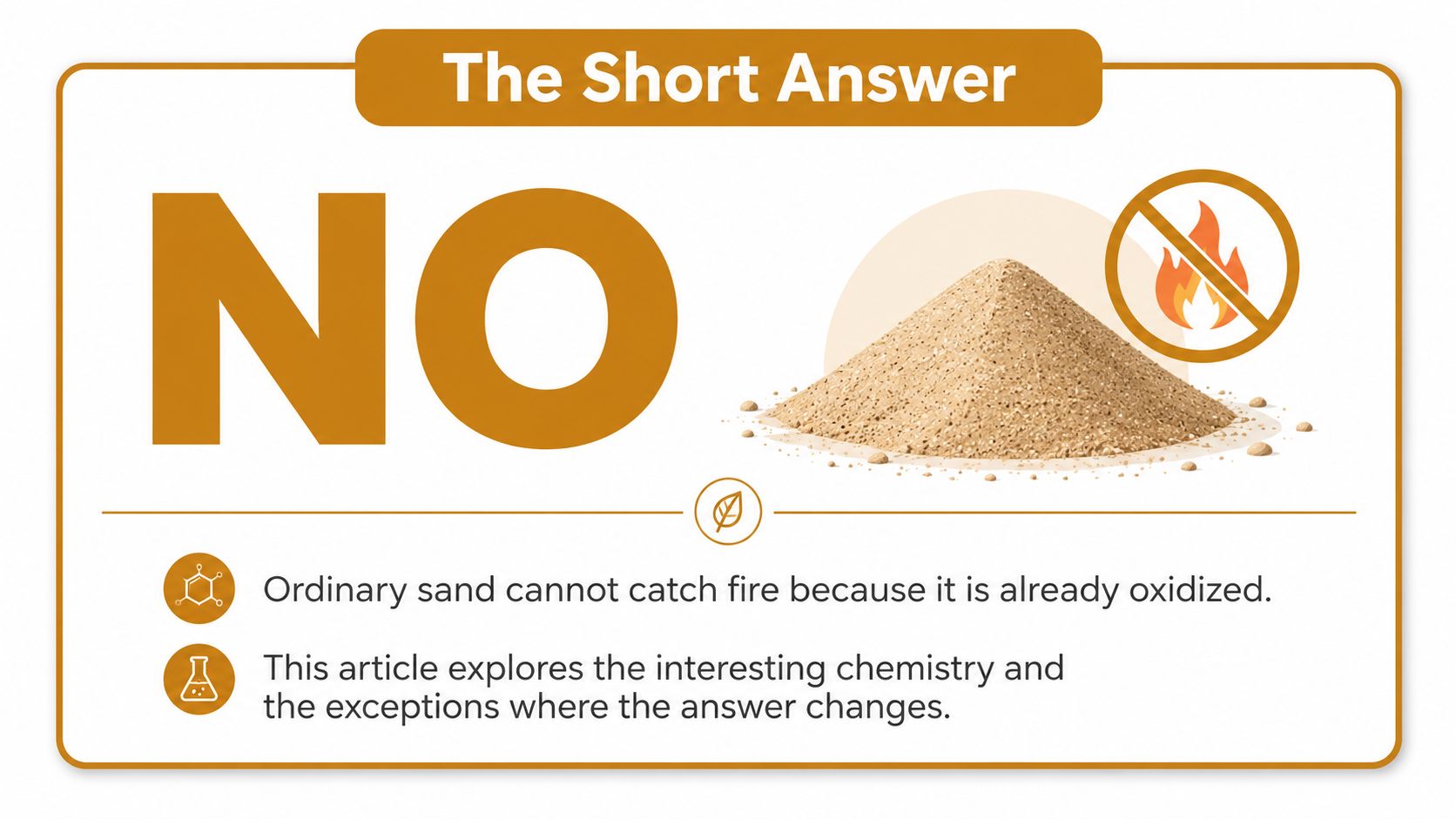
Ordinary sand cannot catch fire because it is already oxidized. That simple no hides a more useful answer, though, because the story splits into chemistry, airborne dust, and candle-sand safety.
What makes the question trickier
Sand itself sits in one category, but the world around sand can shift. A pile of beach sand is one thing, airborne particles are another, and a plant-based candle-sand product behaves like wax rather than mineral grit. That's why a good answer needs to cover more than the headline yes-or-no.
Practical rule: if you're holding a solid mass of ordinary sand, you're holding a noncombustible material. If you're dealing with dust, extreme heat, or a candle product made to melt and burn, you're in a different conversation.
The sections below move from the chemistry to the edge cases, then to the home-use question people care about. If you've ever wondered whether candle sand is safe to pour, light, and reuse, you're squarely in the right place.
The Chemistry of Why Sand Will Not Burn Under Normal Conditions
Silicon dioxide is already in its finished state
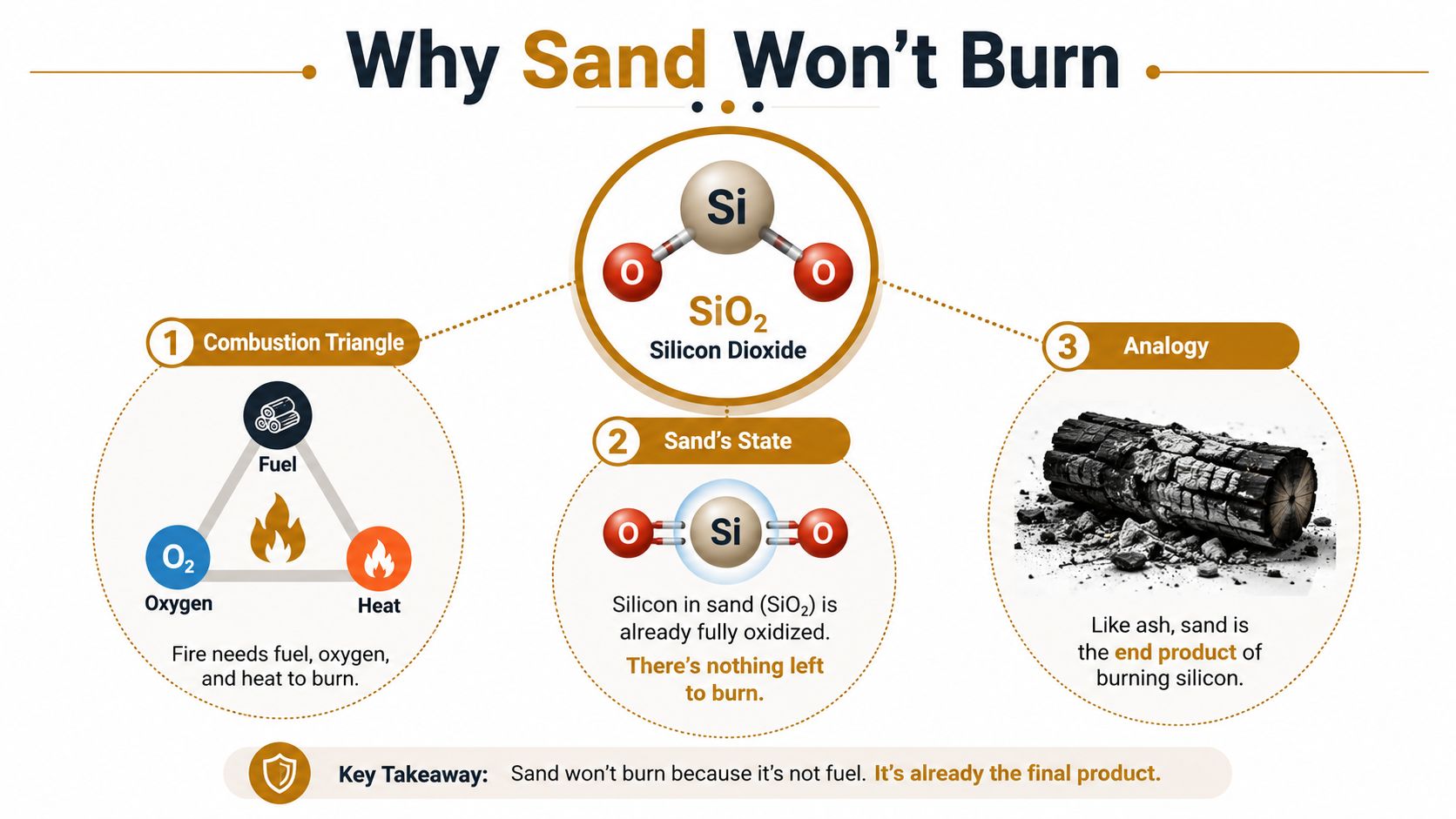
Common sand is mostly silicon dioxide, SiO2. In fire terms, that matters because combustion needs a material that can still react energetically with oxygen, and silicon dioxide has already gone through that oxidation step. It is closer to the end of the process than the beginning.
A simple way to think about it is this, sand is like the ash left after a reaction, not the fuel that starts one. You can heat ash, but heating it does not make it become wood again, and heating sand does not turn it into a burnable fuel.
The safety-data-sheet language reflects that chemistry in plain numbers. West Liberty University's Safety Data Sheet rates sand Health 0 / Flammability 0 / Instability 0, and QUIKRETE's Play Sand SDS says the product is “not flammable, combustible or explosive”. That is exactly what you'd expect from a material that has already been oxidized.
Why every normal kind of sand behaves the same way
Beach sand, sandbox sand, kiln-dried sand, and play sand may differ in grain size, cleanliness, or moisture, but the core chemistry is the same. They are still made largely of oxidized mineral material, so none of them becomes a fuel just because the label changes.
If you want a cleaner analogy, think of sand as a baked cake with nothing left to mix in. It can change shape, crack, or melt under enough heat, but it does not revert to raw batter and ignite. That's why the answer stays no in ordinary conditions.
For a deeper product-level look at candle sand composition, see what candle dust and candle sand are made of.
Sand Versus the Materials That Actually Burn
What belongs on the fuel side
Dry wood, paper, oils, paraffin, and plant waxes all have something sand does not, a pathway to release flammable vapors or feed combustion. A candle wick works because it draws melted wax upward, the wax vaporizes, and that vapor burns. Sand never follows that route.
That difference helps separate materials into a simple safety map. Paper and wax can ignite because they supply fuel. Oxidized minerals like sand sit on the other branch of the map, the branch that stays noncombustible under normal conditions.
Useful shortcut: if the material has to vaporize first to burn, it belongs in the flame-making group. If it is already an oxidized mineral, it does not.
Why candle sand is a naming issue, not a chemistry issue
A lot of confusion starts with the word sand. In candle products, the term often describes texture, not geology. That is true for plant-based candle sand, which behaves like a wax product, not like a mineral pile.
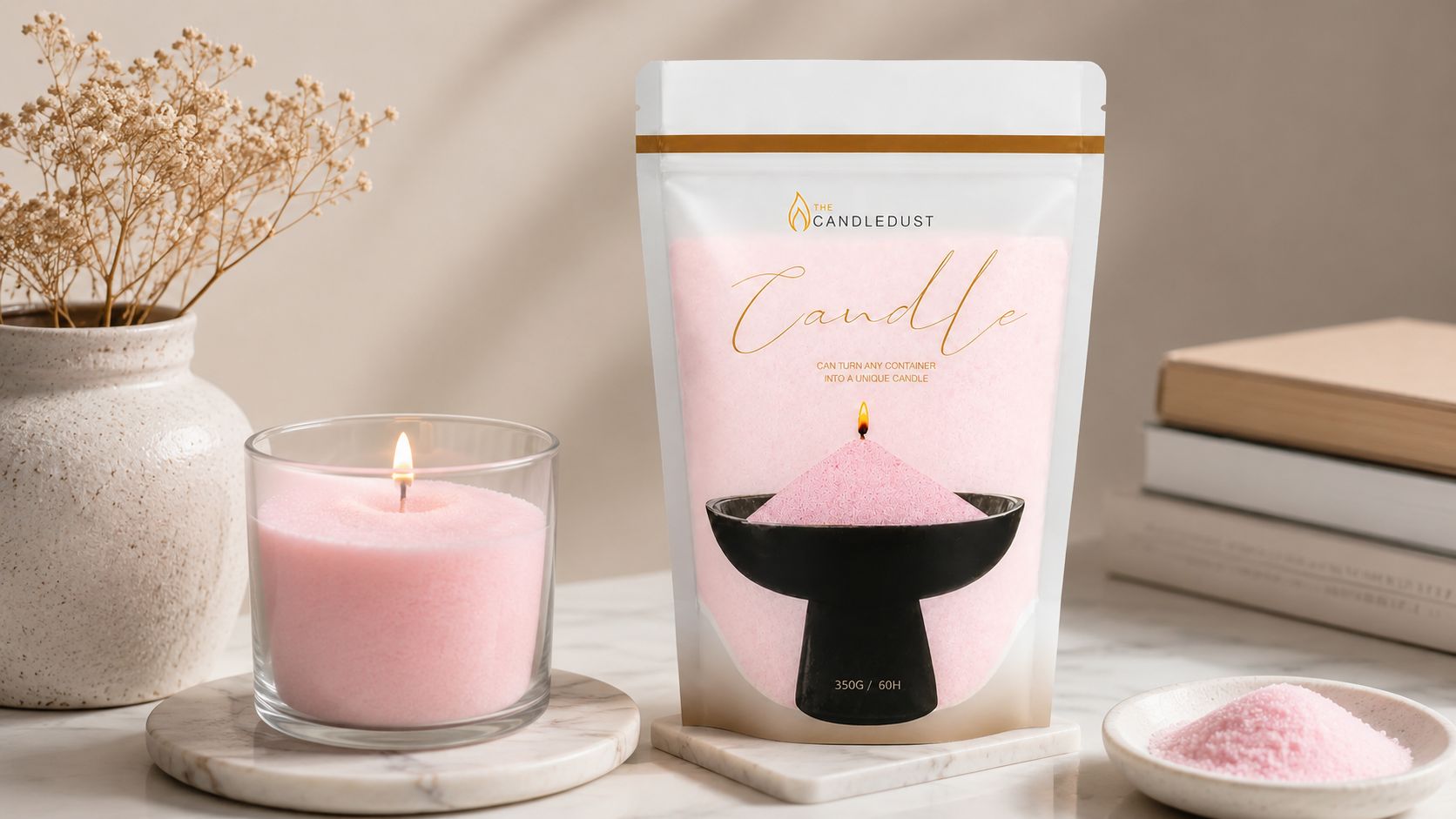
The Baby Pink unscented Candle Sand 350g/0.73lbs is a sweet and elegant choice, bringing a soft, gentle touch to any space. Unscented and calming, it casts a warm, soothing glow perfect for any mood or occasion.
| Material | Main Composition | Will It Burn Under Normal Conditions? | Why |
|---|---|---|---|
| Sand | Silicon dioxide | No | Already oxidized and noncombustible |
| Dry wood | Cellulose and lignin | Yes | Can release combustible gases when heated |
| Paper | Plant fiber | Yes | Ignites easily once heated enough |
| Paraffin wax | Petroleum-derived wax | Yes | Melts, vaporizes, and feeds a flame |
| Soy or coconut wax | Plant-based wax | Yes | Acts as candle fuel when wicked |
For a candle-specific comparison, see sand candle vs traditional candles. If you are planning a stage or event set and need safe material choices, the practical layout ideas in church stage set design tips can help you think through where decorative materials belong and where flame-safe planning matters.
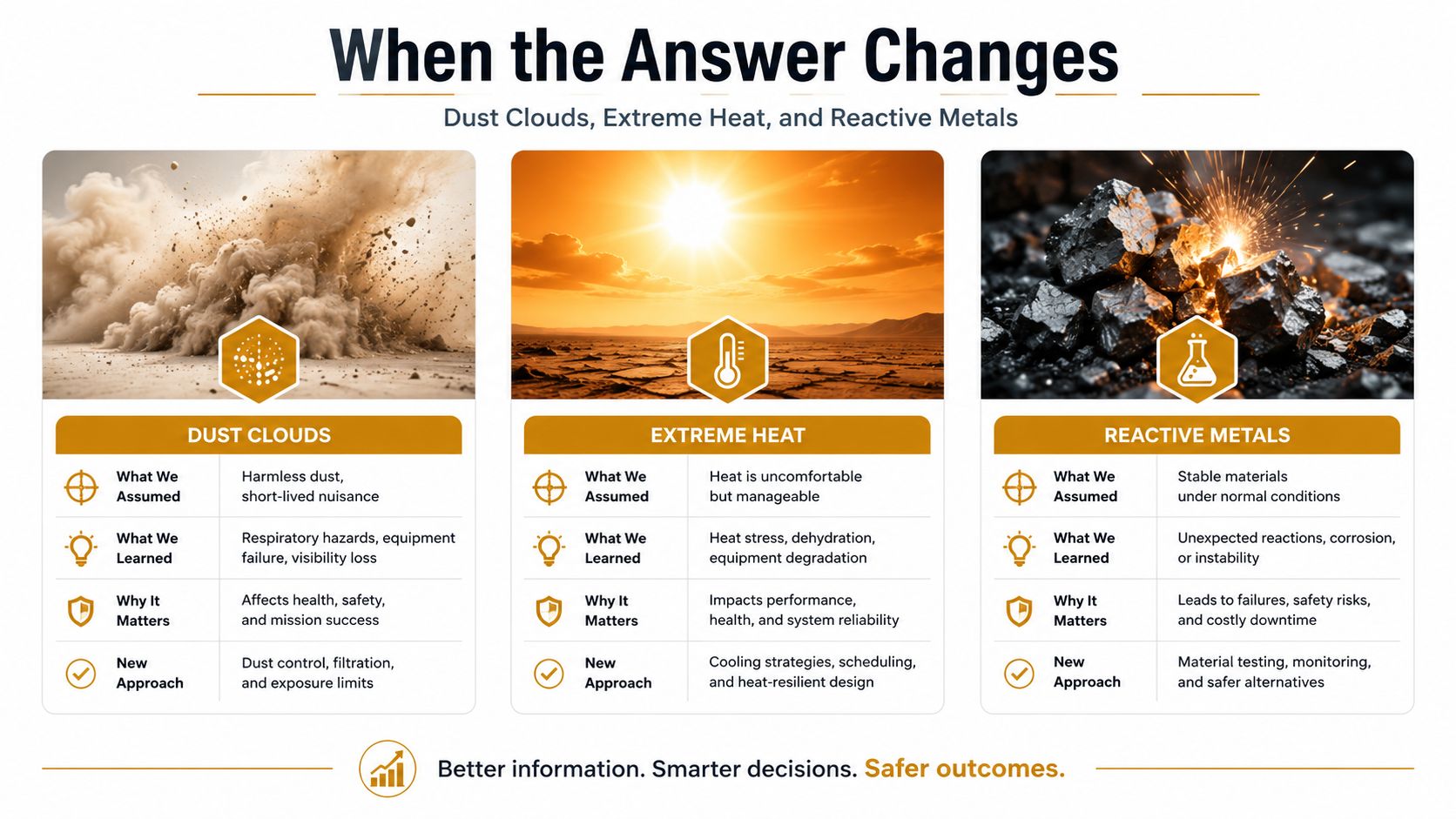
When the Answer Changes, Dust Clouds, Extreme Heat, and Reactive Metals
Airborne dust is a different question
A pile of sand is not the same thing as sand particles suspended in air. Many materials become more hazardous when they're finely dispersed, and occupational safety sources make that distinction clear for dust behavior. The important point is that the risk comes from the process and the particle state, not from a lump of ordinary sand suddenly becoming fuel.
That's why industrial readers need a sharper answer than most consumer pages give them. If you're dealing with sanding debris, kiln dust, or any airborne particulate, the question shifts from “Does sand burn?” to “What hazards does the dust cloud create?”
Heat can change the material without making it fuel
At very high temperatures, sand can melt into glass or take part in reactions with reactive metals such as magnesium or aluminum. In those situations, people sometimes think the sand itself is burning, but the more accurate description is melting or reaction-driven heat generation.
That nuance matters in chemistry, foundry work, and fireworks-adjacent settings. Sand is still not acting as the fuel. It is either changing phase or sitting in a reaction that another material is driving.
Sand can be present in a fire scene without being the thing that burns.
For a broader safety overview of how these edge cases get misunderstood, the industrial explainer at Dust Safety Science on combustible dust is useful background, and the high-heat discussion at Firefighter Insider on sand and extreme heat captures the reaction and melting nuance well.
Why home candle use is not the same scenario
If you're pouring candle sand into a jar or setting a wick, none of those edge cases change the basic safety answer. You are not creating a dust cloud, you are not running a metal reaction, and you are nowhere near the extreme temperatures that would turn a simple candle setup into a materials-science experiment. The chemistry stays ordinary, which is exactly what you want in a living room or event space.
Why Candle Sand Is Safe to Pour and Light at Home
What actually burns in a candle sand setup
Candle sand from brands like The Candledust is a plant-based, granulated wax, so it belongs to the candle family rather than the mineral family. That means the sand-like texture is about form and handling, while the burn behavior comes from normal candle chemistry.
The wick is the part that does the work. It draws melted wax upward, that wax vaporizes, and the vapor supports the flame. The granules around it are the fuel reservoir, not the flame source itself.
How that changes the practical user experience
A heat-resistant vessel is enough to turn the sand wax into a candle. Pour it, center the wick, light it, and the system behaves like a candle should. When you're done, you replace the wick and keep the remaining wax, which cuts down on scrubbing and waste.
The Candledust describes its candle sand as paraffin-free and produced in the EU, which matters for users who want a plant-based candle format rather than a petroleum-based one. That's a formulation and use-style choice, not a flammability mystery.
Practical rule: treat candle sand like a refillable candle medium, not like ordinary sand. If the product is made of wax, the wick governs the burn.
The other thing that helps in real life is texture. A finely processed wax sand can pour in cleaner lines and settle more evenly, which is why the brand language around Perfect Pearl focuses on smooth, lump-free granules. For the user, the benefit is simple, a neater candle build with less mess around the rim and fewer uneven patches in the vessel.
Sand as a Firefighting Tool and Where It Falls Short
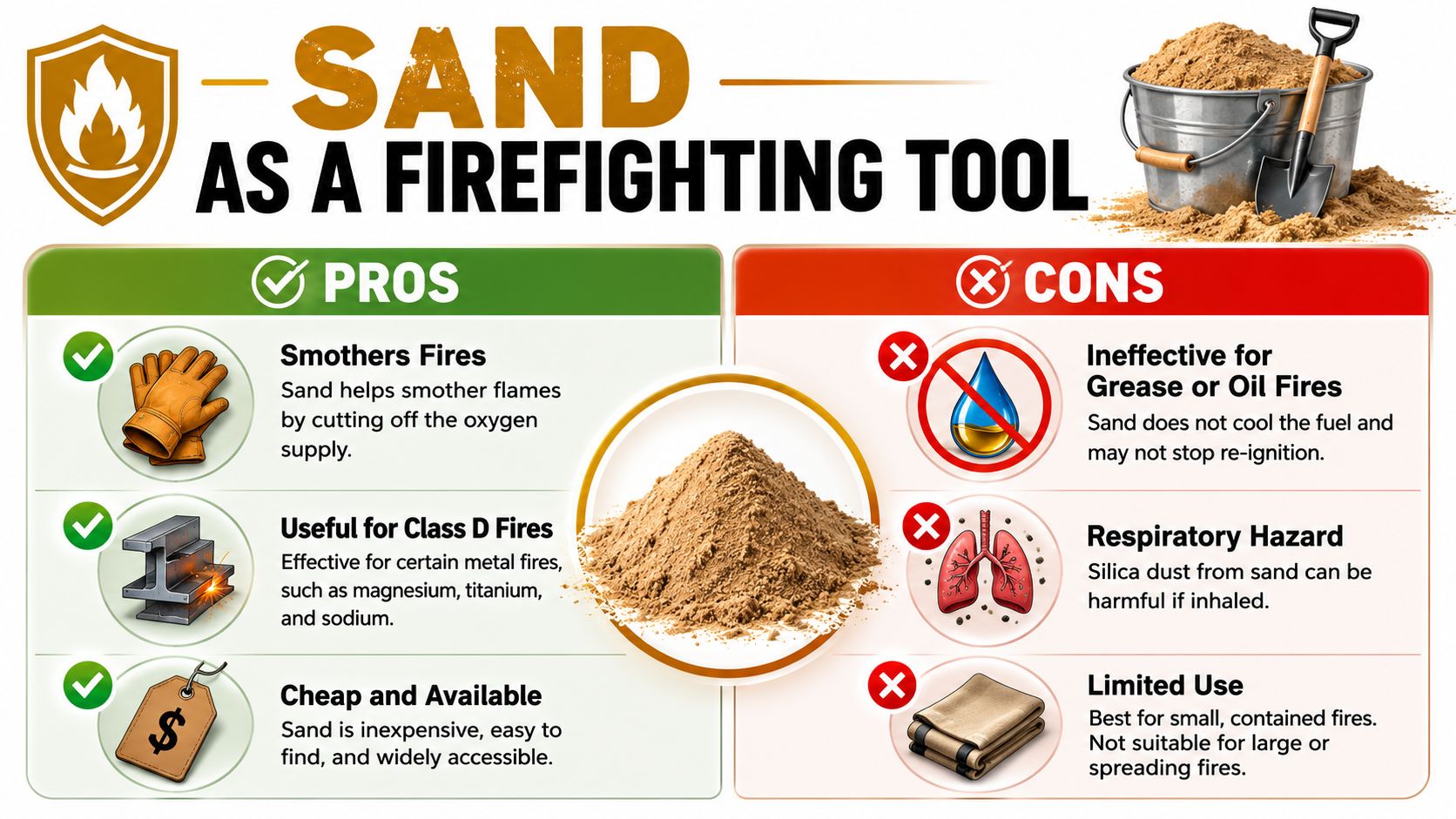
Where sand helps
Sand has long been used to smother small fires because it cuts off oxygen and absorbs some heat. That makes it useful near garages, workshops, and labs when the fire is small and contained. A lidded metal bucket of dry sand is a more serious tool than a flimsy bag sitting by the door.
This is also why sand can be helpful in some limited cleanup or emergency contexts. It stays put, it blankets a flame, and it does not add fuel to the problem.
Where sand is the wrong answer
The limits matter just as much. Queensland Fire Department guidance says never put a campfire out with sand or dirt and advises using water instead. The reason is straightforward, sand can hide residual heat for hours, so what looks extinguished may still be dangerous underneath.
That warning is the best reminder that “sand does not burn” does not mean “sand solves every fire.” Grease fires, larger fires, and anything still smoldering need the right extinguisher or water, depending on the situation. Sand is an ally for small, local smothering, not a universal fix.
Simple do and don't rules
- Do keep dry sand in a proper metal container: A bucket with a lid is far more useful than a loose sack.
- Do use it for tiny, contained flare-ups: The goal is to cut off oxygen fast.
- Don't use it on a campfire cleanup: Hidden heat is the problem, and water is the right tool there.
- Don't treat it as a cure-all: Bigger fires need the correct extinguisher or emergency response.
For a candle business, event setup, or workshop, that distinction is useful. Sand can help manage a small flame, but it is not a replacement for fire planning. The practical answer is to respect what sand does well and avoid using it where it hides danger.
Practical Candle-Sand Safety Checklist for Home, Events, and Workshops
Before lighting, use a heat-resistant vessel, dry candle sand, a centered wick, a stable base, and clear surrounding space. During burn time, don't leave it unattended, keep it away from drafts, and watch for tunneling or uneven melting.
After the flame is out, snuff it rather than blowing hard, let the wax cool fully, then remove the spent wick and keep the leftover sand dry. If you want a neatly processed refill medium, the smooth, lump-free texture associated with Perfect Pearl can make clean pours easier, especially for repeat setups and guest-facing displays. For a beginner-friendly walkthrough, see the ultimate beginner's guide to using Candle Dust candle sand.
FAQ on Sand, Candle Sand, and Combustion
Can you microwave sand or candle sand? No. Ordinary sand is not a microwave-safe way to make heat, and candle sand should be handled as a candle material, not a kitchen experiment.
Does silica dust matter for candle users? The concern is airborne silica in industrial settings, not a normal candle setup. In candle use, the product is bound into wax and used in a vessel, so the relevant concern is ordinary candle safety, not dust exposure.
Is candle sand safer than paraffin? It's a different formulation choice. Candle sand from plant-based wax avoids petroleum-based paraffin, which matters for product preference, but flammability still follows candle rules because the wick burns the wax vapor.
How does candle sand compare with traditional jar candles? The big difference is cleanup and reuse. With candle sand, you can replace the wick and keep the remaining wax medium, which makes it easier to refresh the vessel without starting over.
The Candledust makes candle sand that turns a heat-resistant vessel into a reusable candle with a simple pour-and-light setup. If you want a plant-based, paraffin-free candle format that fits the chemistry you've just read about, visit The Candledust and explore the sand wax styles made for home use, events, and repeat candle builds.