
Most empty candle jars deserve a second use before recycling, especially since the EPA recorded 3.1 million tons of recycled glass containers in 2018, a 31.3% recycling rate, meaning most discarded glass still didn't re-enter the recycling loop. The best first step is to clean the jar thoroughly, then choose between refilling it as a candle or converting it into a decorative, storage, gifting, or plant-based vessel.
The candle has finished burning, but the jar is still sitting on your shelf because it looks too useful to throw away. That instinct is sound. A candle jar is already a durable, washable container, and reusing it avoids the collection, sorting, and remelting required when glass goes into recycling.
The practical path starts with removing wax, wick tabs, soot, labels, and fragrance residue. Once the vessel is clean and completely dry, inspect it for cracks, chips, or heat damage. A sound, heat-resistant jar can become a refillable candle, while another may work better as a plant vessel, organizer, gift container, or decorative display.
The ideas below focus on function rather than clutter. Some are better for daily use, some suit events or gifts, and some preserve the jar's appearance without exposing it to heat or moisture.
Table of Contents
- 1. Premium Candle Sand Refill Container
- 2. Decorative Plant Succulent Container
- 3. DIY Terrarium Ecosystem
- 4. Personalized Gift or Storage Vessel
- 5. Art Supply and Craft Organization Station
- 6. Fragrance Diffuser or Potpourri Display
- 7. Cosmetic and Beauty Product Container
- 8. Coffee Table Accent or Shelf Styling Element
- 9. Custom Candle Sand Art or Layered Craft Project
- 10. Homemade Tea or Herbal Blend Storage
- 10 Repurposing Ideas for Empty Candle Jars
- Choose the Jar's Next Purpose
1. Premium Candle Sand Refill Container
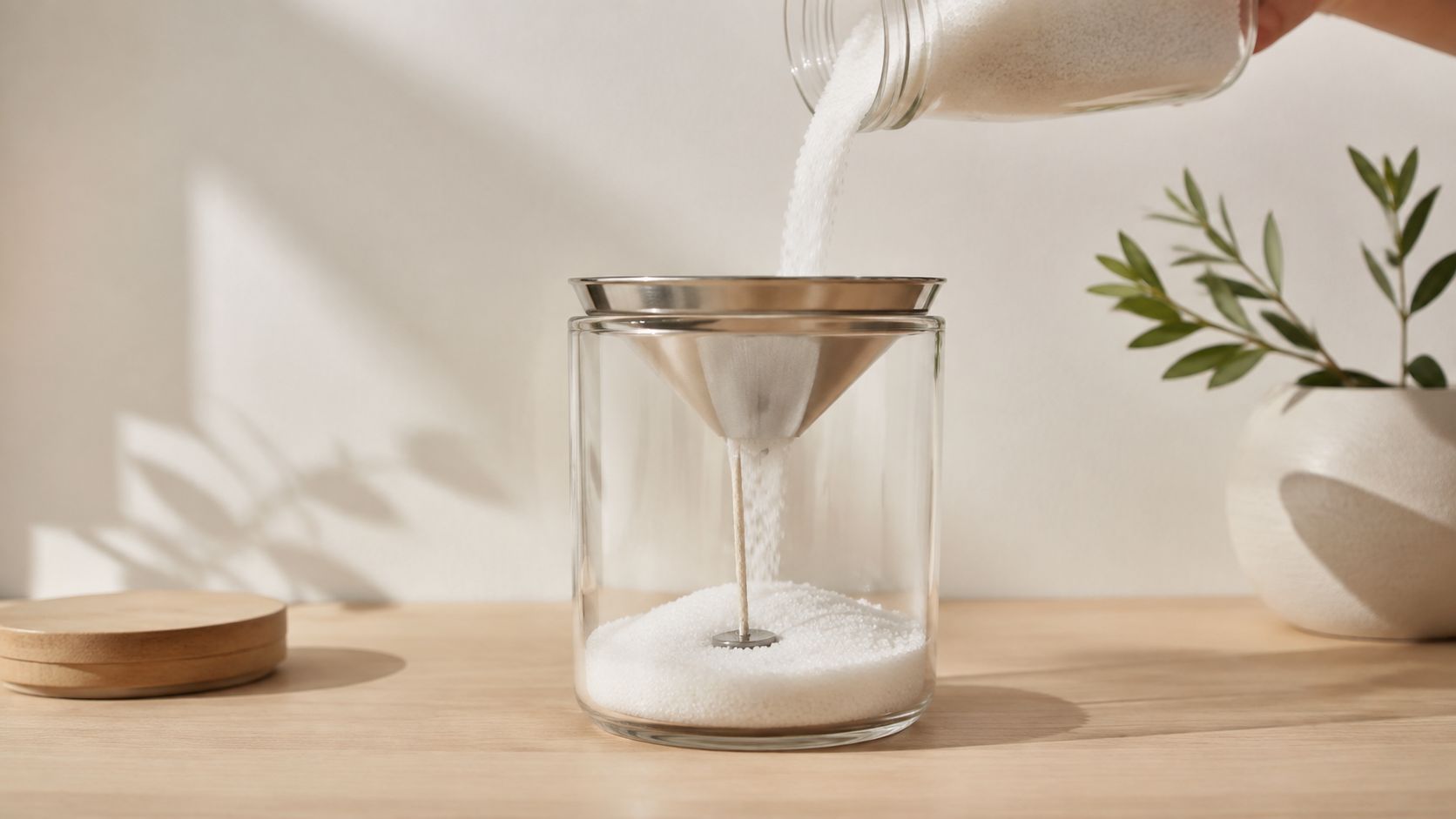
The most direct answer to what to do with an empty candle jar is to make it a refill vessel. Instead of treating the container as finished when the wick burns out, remove the old wick material, clean the base, add a fresh wick, and pour in smooth sand wax. The jar keeps its original role, while the refill format lets you refresh the color or fragrance without buying another vessel.
The Candledust is one of the first candle sand producers in the world and introduced scented sand candles to the world. Its specially processed sand wax is designed to create silky, smooth, even candle pearls without lumps or uneven particles. The brand calls this finish #Perfect pearl, and that consistency is the central advantage when you want a tidy refill rather than loose, irregular granules.
For a gentle, neutral presentation, Baby Pink unscented Candle Sand 350g/0.73lbs brings a soft, calming glow without adding fragrance to the room.
Prepare the jar for a clean refill
- Remove the old wick tab: Scrape away adhesive and metal residue from the base.
- Use a fresh wick: The Candledust's included wicks are the practical choice for its sand wax format.
- Pour slowly: A funnel helps keep the pearls inside the vessel and makes color layering easier.
- Store the refill correctly: Keep unused sand wax in a cool, dry place between uses.
You can also layer different fragrance sands to create a custom scent combination. Before relighting, confirm that the jar is heat-resistant, stable, clean, and dry. The candle jar reuse guide offers a useful reference for preparing the vessel.
2. Decorative Plant Succulent Container
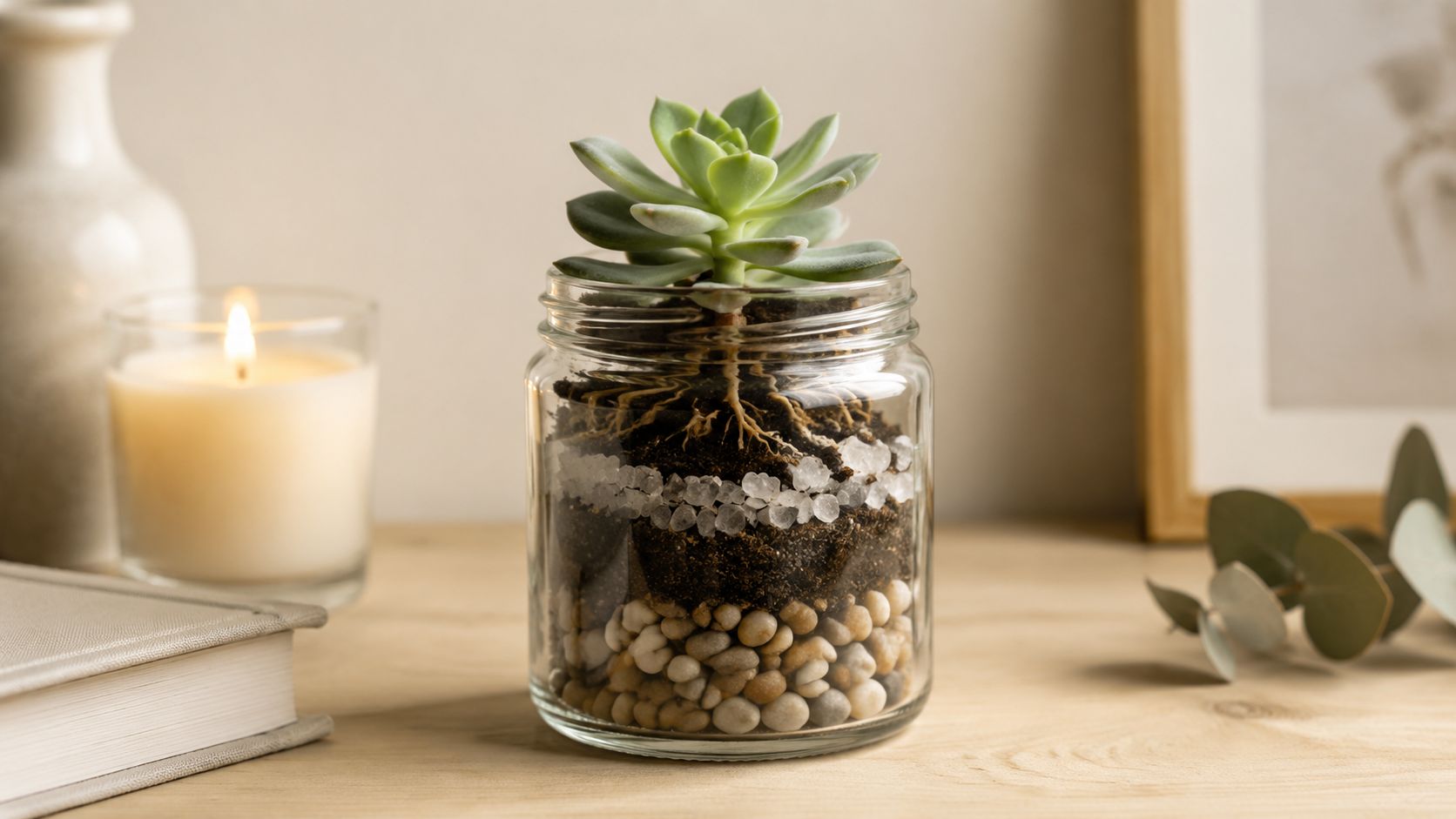
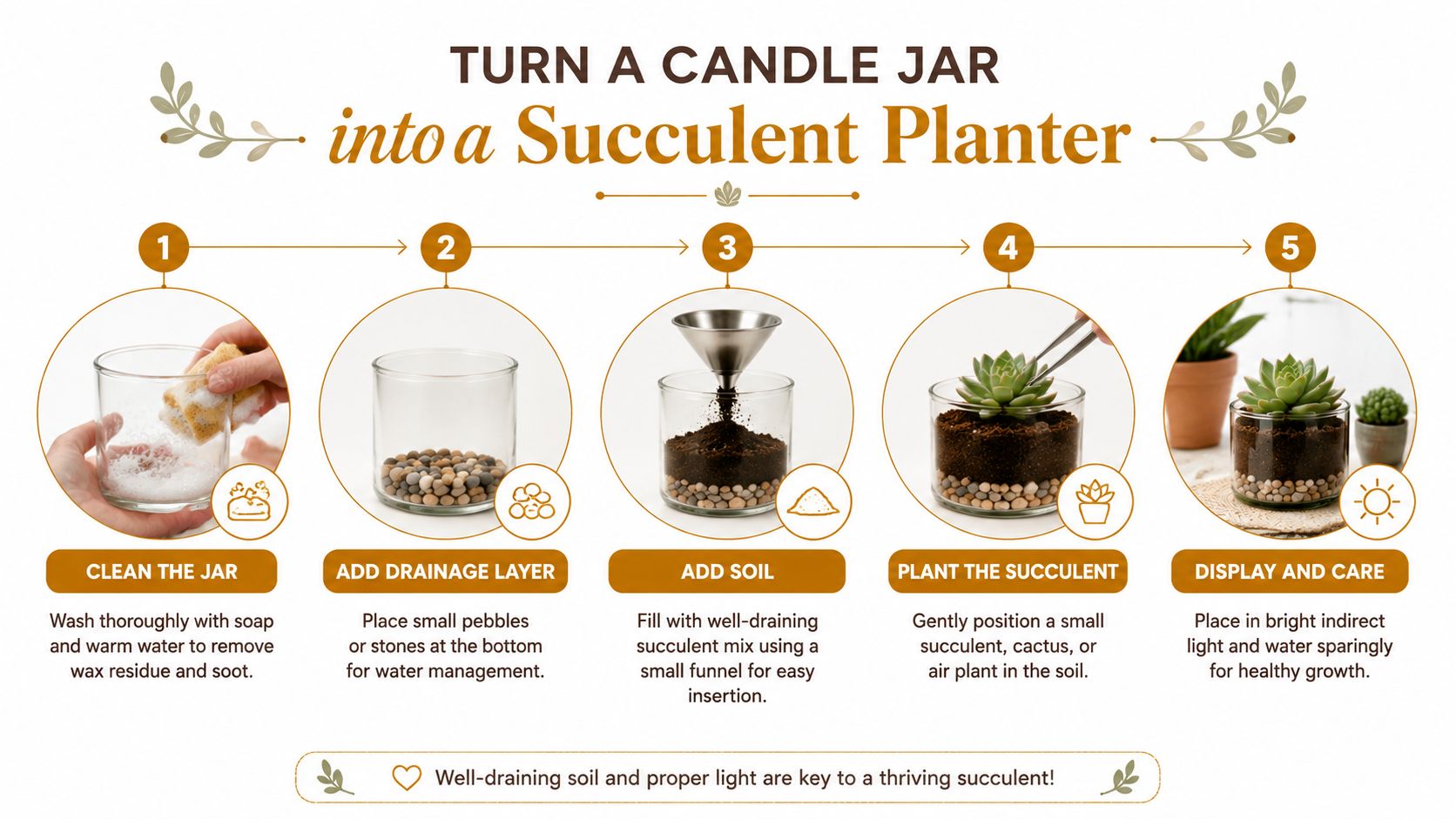
A clean candle jar can become a compact home for a succulent, cactus, or air plant. Transparent glass gives you a clear view of the soil and root area, while the jar's shape adds more presence than an ordinary nursery pot. This works especially well with jars that have an unusual silhouette, tinted glass, or a textured finish.
The main trade-off is drainage. Most candle jars don't have a hole in the base, so they're better treated as decorative cachepots or carefully managed containers rather than conventional plant pots. Add a layer of pebbles at the bottom, use well-draining succulent soil, and water sparingly. Excess moisture remains the main risk, not a lack of decorative appeal.
A small funnel makes it easier to add soil without coating the rim. Keep the plant in bright, indirect light, and choose a specimen that fits the jar without pressing against the glass.
Match the plant to the vessel
- Small succulents: Choose compact varieties that tolerate dry conditions.
- Cacti: Use a stable jar with a wide base to reduce tipping.
- Air plants: Skip soil and place the plant above a dry decorative layer.
- Propagated cuttings: Use the transparent jar to observe developing roots, then transfer the cutting when it outgrows the vessel.
A single succulent suits minimalist or Scandinavian-style desks, while several jars can form a wedding centerpiece with greenery and candles. For plant-specific guidance, consult this succulent care guide.
3. DIY Terrarium Ecosystem
A candle jar can hold a miniature plant environment when you want something more layered than a single succulent. Clear glass makes the internal arrangement visible, so a terrarium can serve as living décor, a classroom project, or a quiet desk feature. Moss, small ferns, and other moisture-loving plants are better candidates than dry-climate succulents.
Build the base in layers. Start with pebbles for drainage, add activated charcoal, then place soil, moss, and small plants. The jar doesn't need to be filled to the rim. Leaving visual space helps the arrangement breathe and makes mold or excess condensation easier to spot.
A closed or semi-closed terrarium can retain humidity, but it still needs observation. Mist lightly rather than saturating the soil. Condensation can indicate that moisture is circulating, while persistent fogging, mold, or a sour smell means you need more airflow or less moisture.
Practical rule: A terrarium jar should be easy to observe and easy to adjust. Don't seal it permanently until the plants have settled and the moisture level looks stable.
Place the jar in indirect light. Direct sun can overheat the glass and encourage algae growth. For a more detailed preparation sequence, use this guide on how to empty a candle jar.
4. Personalized Gift or Storage Vessel
An empty candle jar already has the visual polish needed for a thoughtful gift. Clean it thoroughly, remove old labels, and fill it with bath salts, a tea blend, dried flowers, jewelry, handmade treats, or a homemade sugar scrub. The same vessel can also become a practical storage jar after the gift has been used.
Layering makes simple contents look intentional. Colored salts, dried botanicals, and tea ingredients can create visible bands, while a single material, such as lavender or wrapped sweets, gives the jar a quieter appearance. A kraft-paper or chalkboard label adds room for a name, date, ingredients, or care instructions.
Make the presentation useful
- For consumables: Use a clean, dry jar and label the ingredients clearly.
- For bath products: Add usage guidance and keep moisture away from the contents.
- For jewelry: Place a soft fabric pad inside if the pieces may scratch the glass.
- For gift sets: Pair the jar with a complementary home fragrance, candle accessory, or handwritten note.
Don't assume a jar is suitable for food because it looks clean. Fragrance and soot can linger, and lids may not create a reliable food-safe seal. For dry, nonperishable contents, inspect the jar closely and use a fresh, appropriate lid whenever possible.
5. Art Supply and Craft Organization Station
A candle jar can solve small workspace problems without looking like office equipment. Use it for paintbrushes, markers, pencils, thread, beads, buttons, clips, or other craft materials. Transparent glass lets you see the contents immediately, so you won't need to open several containers to find one color or tool.
The best arrangement depends on the jar's shape. Shallow vessels work well for frequently used items, while taller jars can support brushes, pens, and long-handled tools. Keep heavier supplies in broad, stable jars, and cluster smaller containers together if they're prone to tipping.
Build an orderly station
- Sort by task: Keep drawing tools separate from cutting tools and adhesives.
- Label clearly: Permanent marker or removable labels make contents easy to identify.
- Group by color: A row of jars sorted by thread or bead color becomes both storage and décor.
- Protect the work surface: Add a non-slip pad beneath jars used on polished desks.
- Keep sharp items visible: Don't bury blades, needles, or pins under loose materials.
An artist's desk might hold brushes in one jar and markers in another. A wedding planner could use several jars for ribbon samples, invitation stock, and small decorative pieces. This art supply organization guide can help with broader workspace planning.
The limitation is dust. Open jars are convenient, but lids are better for fine powders, delicate paper goods, and supplies stored near a messy workspace.
6. Fragrance Diffuser or Potpourri Display
Use an empty candle jar as an open fragrance display when you want scent without a flame. Fill it with dried flowers, potpourri, scented sand, or another dry decorative medium. The jar works particularly well on a bathroom counter, bedroom table, entryway shelf, hotel reception desk, or restaurant host stand.
A dry medium makes the scent visible as well as functional. Add dried botanicals to create texture, then refresh the arrangement with fragrance oil according to the product's directions. If you're using essential oils, check that the oil and chosen material are compatible, and avoid placing the jar where spilled oil could damage wood, paint, or fabric.
The fragrance oil and essential oil comparison can help you choose the right fragrance format for the intended setting.
Keep scent controlled
- Start lightly: A restrained scent is easier to increase than an overpowering one is to fix.
- Place it strategically: High-traffic areas provide more opportunities for fragrance to disperse.
- Separate strong scents: Don't crowd several competing fragrances on one small table.
- Refresh the contents: Replace stale botanicals or add fragrance only when the medium needs it.
This option doesn't recreate the candle's glow, but it removes flame and heat from the arrangement. That makes it useful in spaces where an open flame isn't appropriate, including busy hospitality areas and rooms with children or pets.
7. Cosmetic and Beauty Product Container
A polished glass jar can give homemade beauty products a more finished presentation. Use it for sugar scrubs, bath salts, face masks, lip balm, or dry skincare blends, provided the vessel is cleaned thoroughly and the contents are compatible with the jar and lid.
Fragrance residue deserves particular attention here. The National Candle Association advises cleaning jars thoroughly because wax, fragrance, and soot can remain after burning. Wash the vessel with hot, soapy water, remove adhesive, rinse well, and let it dry completely before adding any cosmetic product. For a stricter preparation routine, use a dishwasher or an appropriate sterilization method when the jar and lid can safely tolerate it.
Label before you fill
Add the product name, ingredients, preparation date, usage instructions, and any relevant cautions. A parchment layer beneath the lid can reduce product contact with the lid and help prevent sticking, but it doesn't replace a proper seal.
This reuse works well for personal bath products, spa amenities, wedding favors, or small handmade gift sets. It's less suitable for products that require verified sterile packaging, laboratory-controlled preservation, or a tamper-evident closure. Don't market a repurposed jar as professional cosmetic packaging unless you can meet the hygiene and labeling standards that apply to your product.
Twine, ribbon, and a simple printed label can create a premium appearance without covering the glass completely. The jar remains attractive after the first product is gone, so the recipient can use it again.
8. Coffee Table Accent or Shelf Styling Element
Sometimes the best answer is to leave the jar empty. A clean candle vessel can act as a sculptural object on a coffee table, bookshelf, mantel, or open shelf, especially when its shape or color complements the room. Fill other jars with dried flowers, pebbles, colored sand, or seasonal greenery, then leave one or two empty to create visual breathing room.
Group jars by a shared feature rather than forcing every piece to match. Similar colors create a calm display, while varied shapes produce a more collected look. You can raise shorter jars on books, trays, or small stands, but keep the arrangement stable and away from the edge of the surface.
Style the grouping with restraint
- Use odd-numbered groupings: Three, five, or seven pieces can create a balanced arrangement.
- Vary the height: Combine the vessels with books or low risers.
- Rotate seasonal contents: Dried botanicals work in one season, while greenery or decorative stones can change the mood later.
- Keep negative space: An empty jar can make the filled pieces feel less crowded.
- Repeat one color: Colored sand or a single botanical tone ties different jars together.
This approach has almost no maintenance, but it won't make the jar more useful for storage. It's the right choice when the vessel itself has decorative value and you want a low-cost styling element rather than another container full of small objects.
9. Custom Candle Sand Art or Layered Craft Project
An empty candle jar can become a contained piece of sand art. The smooth, lump-free #Perfect pearl sand wax from The Candledust is suited to clean layering because its even particles create a more consistent surface than coarse or irregular material. Use contrasting colors for graphic bands, related shades for a quieter ombré effect, or several tones to create an abstract scene.
Plan the design before pouring. A quick sketch helps you decide where each color should begin and end, especially if the jar will become a wedding favor, teacher appreciation gift, event centerpiece, or children's craft project. A funnel controls the flow, while a thin tool can guide material into a narrow section.
Pour slowly and avoid shaking the jar between layers. A gentle tap can settle the sand, but aggressive movement may blur the boundary between colors. If you're creating a detailed pattern, pause frequently and check the front of the jar from several angles.
A cork or cap can protect the finished design from accidental mixing. If the jar is intended only as décor, don't insert a wick or light it. Sand art and a refill candle are different uses, and a decorative arrangement shouldn't be treated as a tested burning vessel.
10. Homemade Tea or Herbal Blend Storage
A thoroughly cleaned candle jar can hold loose-leaf tea or a dry herbal blend, but preparation matters more than appearance. Fragrance can linger in glass, so strong candle scents may transfer to delicate tea. Reserve the jar for food only when you're confident that wax, soot, adhesive, and fragrance have been removed and the vessel is completely dry.
An airtight lid protects aroma better than a loose cover. Label the blend with its name, ingredients, preparation date, and brewing instructions. Store the jar in a cool, dark place away from direct sunlight and strong odors. The transparent glass is attractive for display, but light exposure can affect some dried ingredients over time.
Make the jar part of a tea station
A tea enthusiast might organize several blends by type, while a wellness practitioner could use labeled jars for dry herbal ingredients. In a spa or hospitality setting, matching jars can make tea service look orderly, provided staff can maintain clean handling and appropriate storage.
Don't fill a jar while any moisture remains inside. Dampness can compromise dry ingredients, and an old lid may not seal reliably. If the original lid has a strong scent, a replacement lid or a separate inner seal is a better choice.
For gifts, combine a clearly labeled tea blend with a complementary fragrance or decorative element, but keep food and fragrance contents physically separate. A beautiful presentation still needs sensible storage boundaries.
10 Repurposing Ideas for Empty Candle Jars
| Item | Implementation Complexity 🔄 | Resource Requirements ⚡ | Expected Outcomes ⭐📊 | Ideal Use Cases 💡 | Key Advantages ⭐ |
|---|---|---|---|---|---|
| Premium Candle Sand Refill Container | Low 🔄, clean jar and refill | Moderate ⚡, periodic sand & wicks | High sustainability and cost savings; clean-burning candles | Sustainable households; repeat customers; scent experimentation | Waste-free; customizable scents; preserves premium glass |
| Decorative Plant Succulent Container | Low 🔄, clean, add drainage and soil | Low ⚡, pebbles, soil, small plants | Attractive, low-water planter; visible root monitoring | Desks, small apartments, wedding centerpieces | Low-cost planter; Instagram-worthy; easy to relocate |
| DIY Terrarium Ecosystem | High 🔄, correct layering & plant selection | Moderate ⚡, pebbles, charcoal, soil, moisture plants | Self-sustaining, low-maintenance living décor; educational | STEM classrooms; humid-plant enthusiasts; office focal points | Self-watering microclimate; calming; educational value |
| Personalized Gift or Storage Vessel | Medium 🔄, curate contents and styling | Low–Moderate ⚡, gift items, labels, packaging | Premium-looking, reusable gifts; memorable presentation | Corporate gifting; weddings; artisan product sets | Elevates simple contents; reduces packaging waste; reusable |
| Art Supply & Craft Organization Station | Low 🔄, clean and sort supplies | Low ⚡, multiple jars, labels | Tidy workspace; quick visual inventory | Art studios, craft tables, home offices | Free organization; customizable labels; visible contents |
| Fragrance Diffuser or Potpourri Display | Low 🔄, fill with sand/oils/botanicals | Low ⚡, scented sand, oils, dried botanicals | Gentle ambient scent; decorative display (moderate potency) | Bedrooms, bathrooms, hospitality lobbies | No electricity; customizable scents; uses leftover sand |
| Cosmetic & Beauty Product Container | Medium 🔄, sterilize and fill safely | Moderate ⚡, sterilization, airtight lids, labels | Professional packaging; extended product shelf life | Small cosmetic brands, spas, DIY skincare sellers | Airtight preservation; premium aesthetic; sustainable packaging |
| Coffee Table Accent / Shelf Styling Element | Low 🔄, arrange decorative fillers | Low ⚡, dried botanicals, sand, pebbles | High visual impact with minimal cost; flexible styling | Living rooms, shelves, seasonal displays | Zero-cost décor; highly adaptable; seasonal refreshable |
| Custom Candle Sand Art / Layered Craft Project | Medium 🔄, precise pouring and sealing | Low–Moderate ⚡, colored sand, funnels, sealing caps | Unique, durable art pieces; personalized keepsakes | DIY events, wedding favors, children's crafts (supervised) | Personalized lasting décor; meditative craft; vibrant results |
| Homemade Tea / Herbal Blend Storage | Low 🔄, clean and ensure airtight seal | Low ⚡, airtight lids, labels, dry storage | Freshness-preserving storage; attractive countertop display | Tea enthusiasts, wellness practitioners, hospitality | Preserves flavor/aroma; sustainable; visually appealing |
Choose the Jar's Next Purpose
The right reuse depends on what you need from the vessel. Choose a candle sand refill when you want the jar to keep producing light. Choose plant-based uses when you want a visible living display, but remember that succulents, cacti, and terrariums have different moisture needs. Choose storage when you need quick access to small items, and choose styling when the jar's shape, color, or label-free finish is more valuable than its capacity.
A few uses require extra caution. Tea, herbs, cosmetics, and bath products need a jar that's exceptionally clean and completely dry. A terrarium needs moisture control. A diffuser needs careful handling of oils. A refill candle needs a vessel that's heat-resistant, stable, and free of cracks or chips.
The cleaning sequence should come before every option:
- Remove the wax: Freeze the jar for a few hours so the wax contracts and usually comes out in one piece. For stubborn residue, use hot-water softening carefully.
- Remove wick material: Lift out the wick tab and scrape away adhesive without damaging the glass.
- Wash the vessel: Use warm, soapy water to remove wax film, labels, soot, and lingering scent.
- Dry completely: Water remaining inside can affect tea, cosmetics, plants, and candle performance.
- Inspect the jar: Reject vessels with cracks, chips, severe clouding, or visible heat damage.
- Choose the correct lid: A decorative cover isn't automatically airtight, food-safe, or suitable for cosmetics.
Never pour melted wax down the drain, because it can clog plumbing. Don't use a microwave for wax removal, since metal wick tabs can create a fire or explosion risk. These precautions are emphasized in candle-reuse safety guidance.
If reuse isn't practical, check your local recycling rules before placing the jar in a collection bin. Glass is fully recyclable, but acceptance can vary by system, and mixed-material lids, labels, wax residue, or specialized construction may affect the outcome. The National Candle Association's jar-reuse guidance also reinforces the need for thorough cleaning before repurposing.
Start with one jar rather than creating a large cleaning project you won't finish. If you want another candle, use a fresh wick and smooth, even #Perfect pearl sand wax. If appearance matters most, style the vessel with restraint. If function comes first, match the jar to a plant, gift, supply, fragrance, beauty, or tea use that you'll maintain.
The Candledust offers smooth, plant-based candle sand in scented and unscented formats, along with fresh wicks for turning suitable heat-resistant vessels into refill candles. Visit The Candledust to explore sand wax options and give your cleaned candle jar a practical second life.